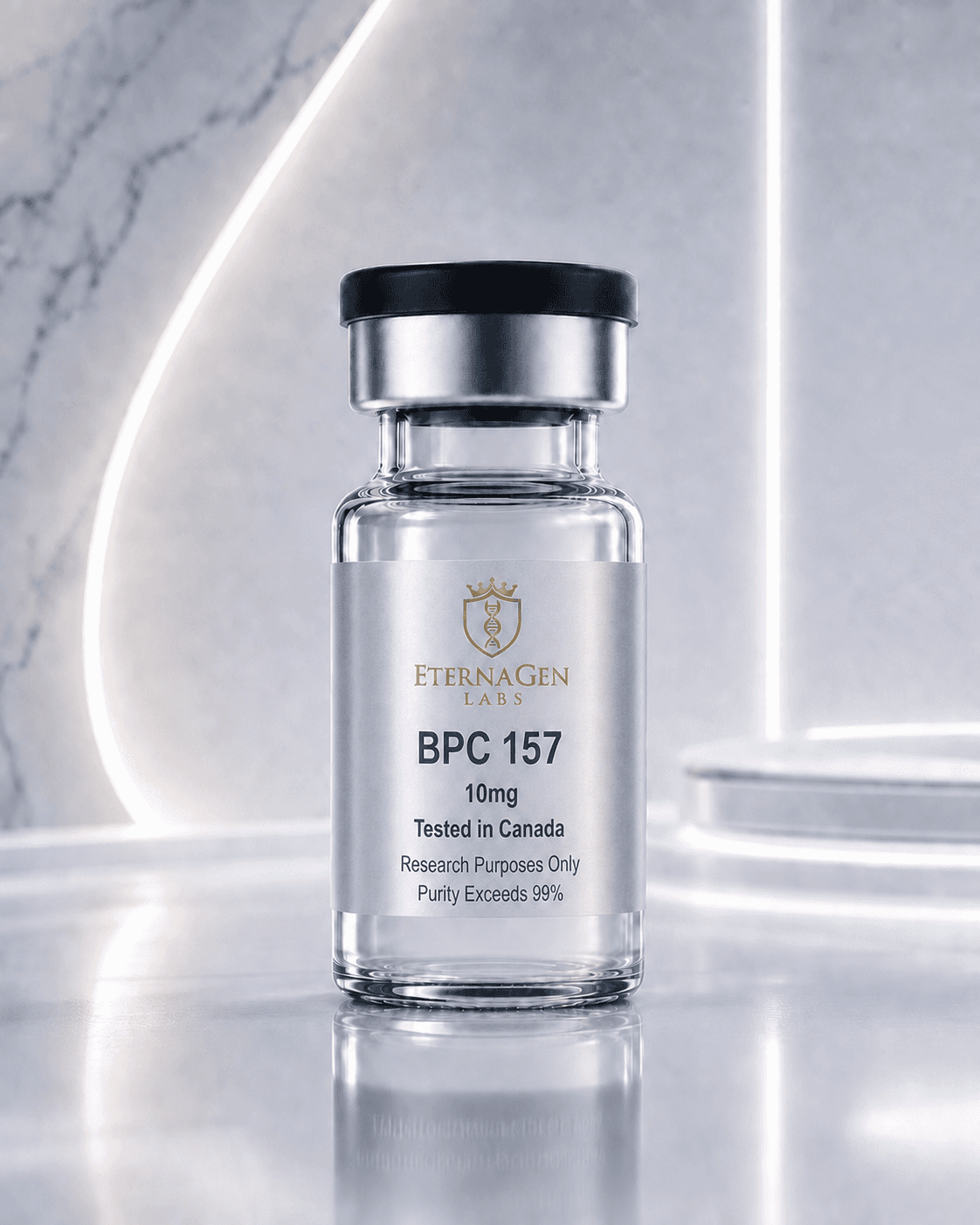
Peptide · Vial
BPC 157
$8910mg
An experimental peptide best known for early research into tissue repair, tendon injury and wound response.

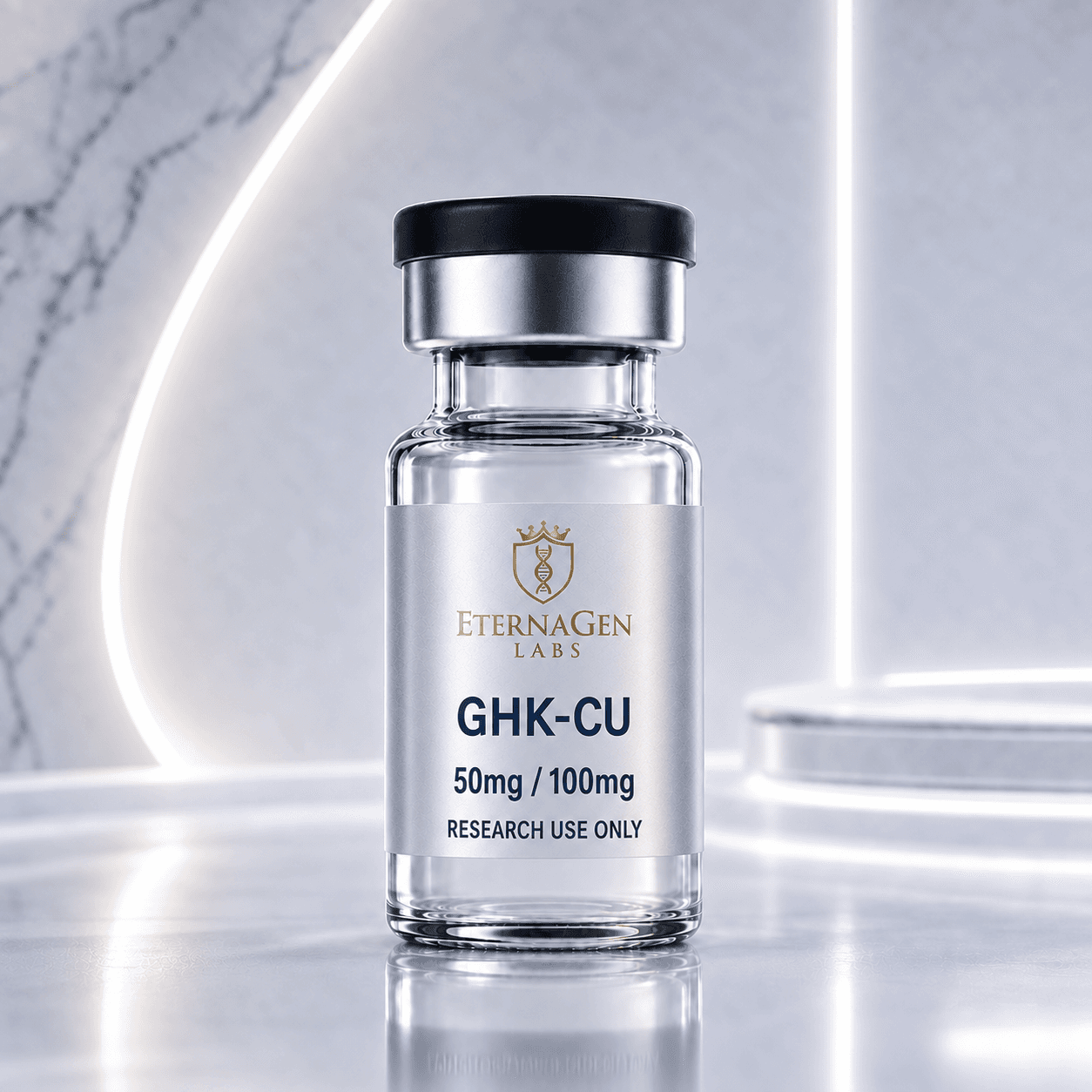 EternaGen / Research use only
Peptide · Research use only
A naturally occurring copper-binding peptide explored in skin, collagen and wound-healing research.
Available to approved purchasers
Can’t find the right record?Send support the product name or batch code.
Contact supportProduct information
A naturally occurring copper-binding peptide explored in skin, collagen and wound-healing research.
GHK-Cu has been studied in human cells and in a small number of topical wound-care studies. Those findings are specific to the formulation and delivery method; they do not tell us what an injectable research material would do.
GHK-Cu is the copper complex of the naturally occurring tripeptide glycyl-L-histidyl-L-lysine. Published work spans fibroblast models, skin-delivery experiments and a limited set of topical wound studies.Specifications
Supplier-origin documentation will be published only after EternaGen verifies the source and record details.
Health Canada lists the named compound or components among unauthorized injectable drugs identified in the Canadian market. A research-use label does not make an unauthorized product suitable or legal for personal use.
Explore the research
Check what was studied, what researchers observed, and the limitation attached to each finding.
Human fibroblast cultures have shown concentration-dependent changes in collagen and matrix-related markers.
Evidence so far: In-vitro human-cell evidenceAn older controlled study evaluated a GHK-Cu gel as part of standardized care for diabetic neuropathic ulcers.
Evidence so far: Narrow topical human evidenceTopical or ex-vivo skin findings do not establish the safety or effects of an injectable product.
Evidence so far: Critical interpretation boundaryProposed mechanism
GHK binds copper(II), a metal involved in multiple enzymes. Laboratory studies have reported changes in collagen synthesis, glycosaminoglycans and extracellular-matrix remodelling, but the effect depends on concentration, formulation and experimental system.
Evidence gaps
Primary sources
Related products
Peptide · Vial
An experimental peptide best known for early research into tissue repair, tendon injury and wound response.
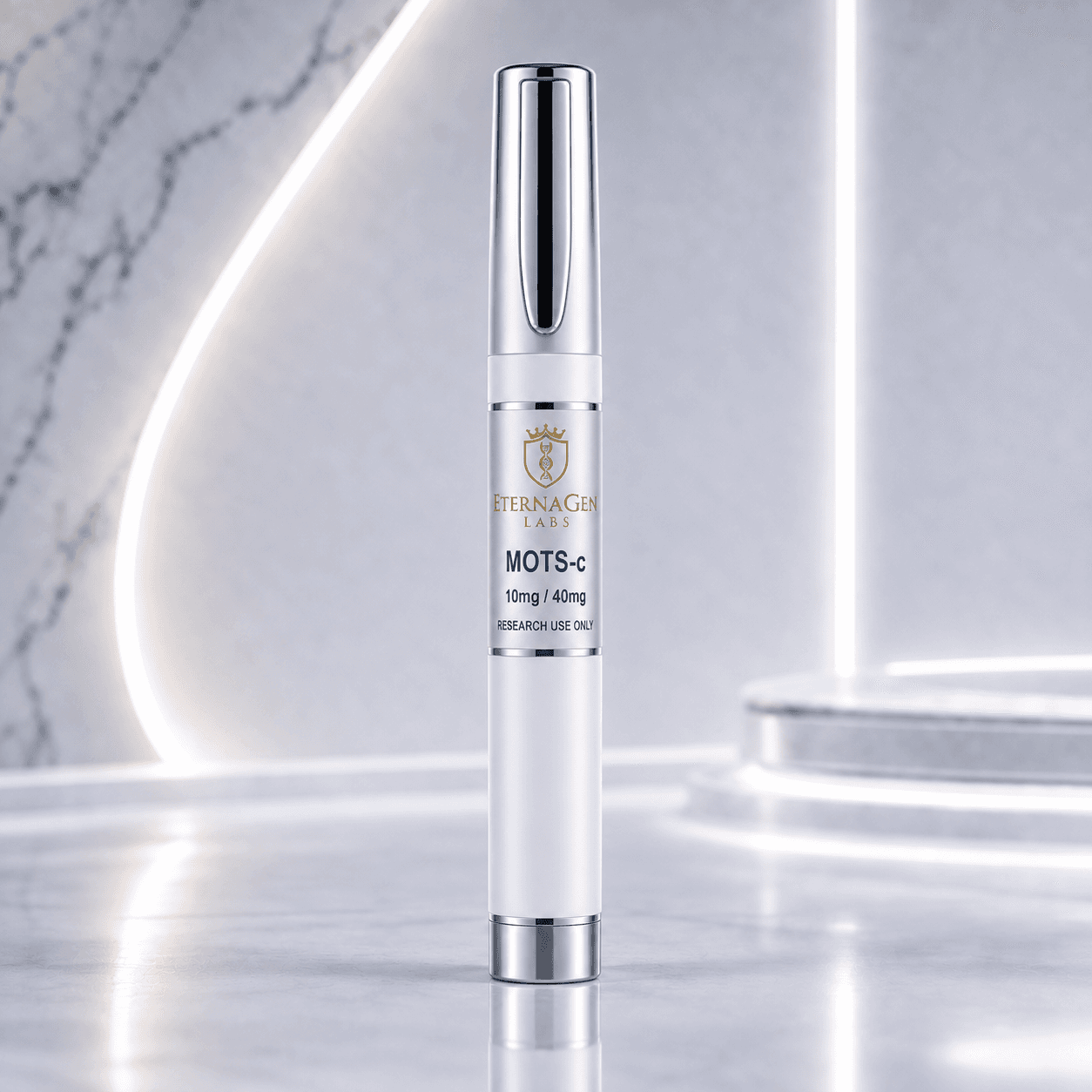
Peptide · Pen
A peptide made inside mitochondria and studied for its connection to energy, exercise and metabolic stress.
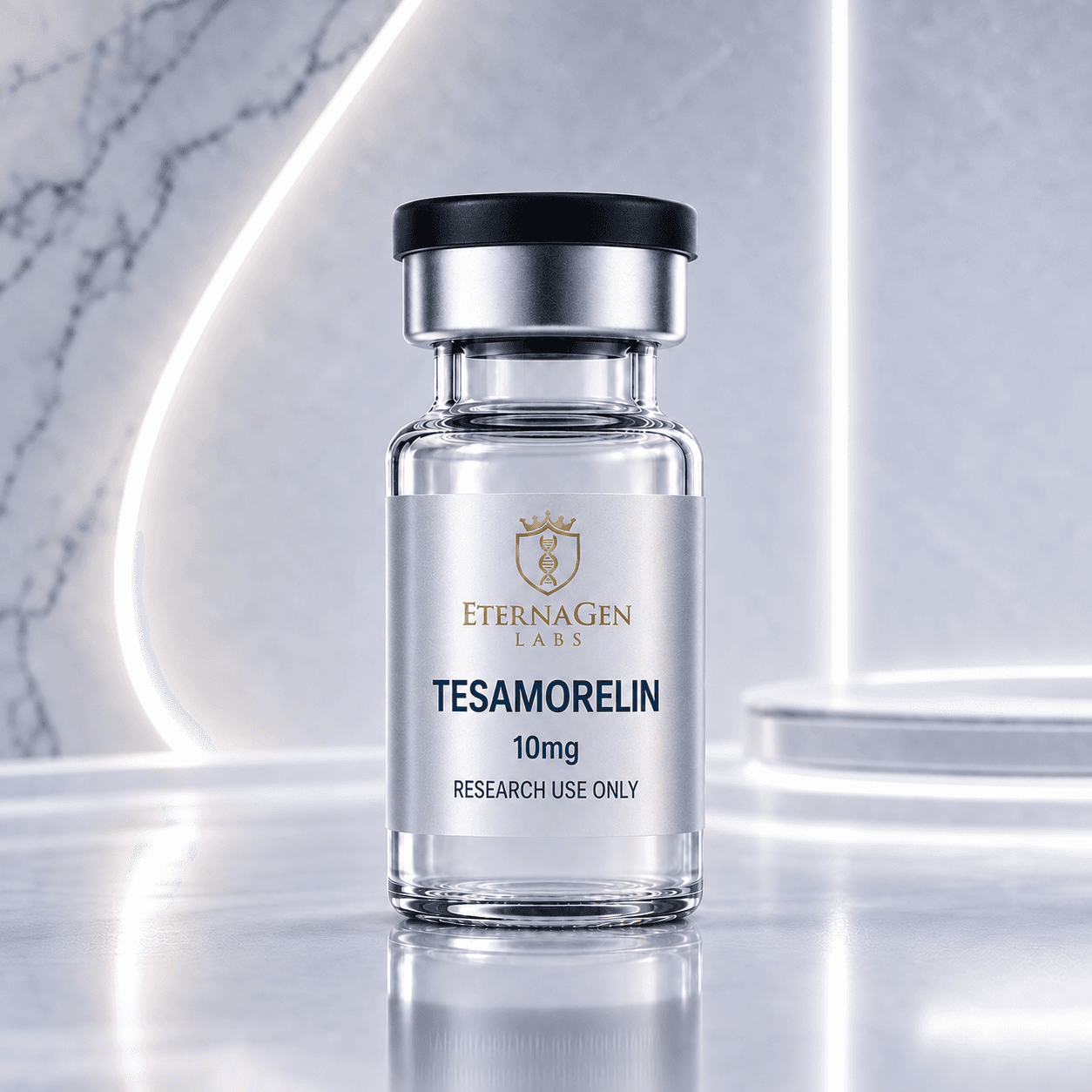
Peptide · Vial
A synthetic peptide that mimics a natural signal involved in the release of growth hormone.