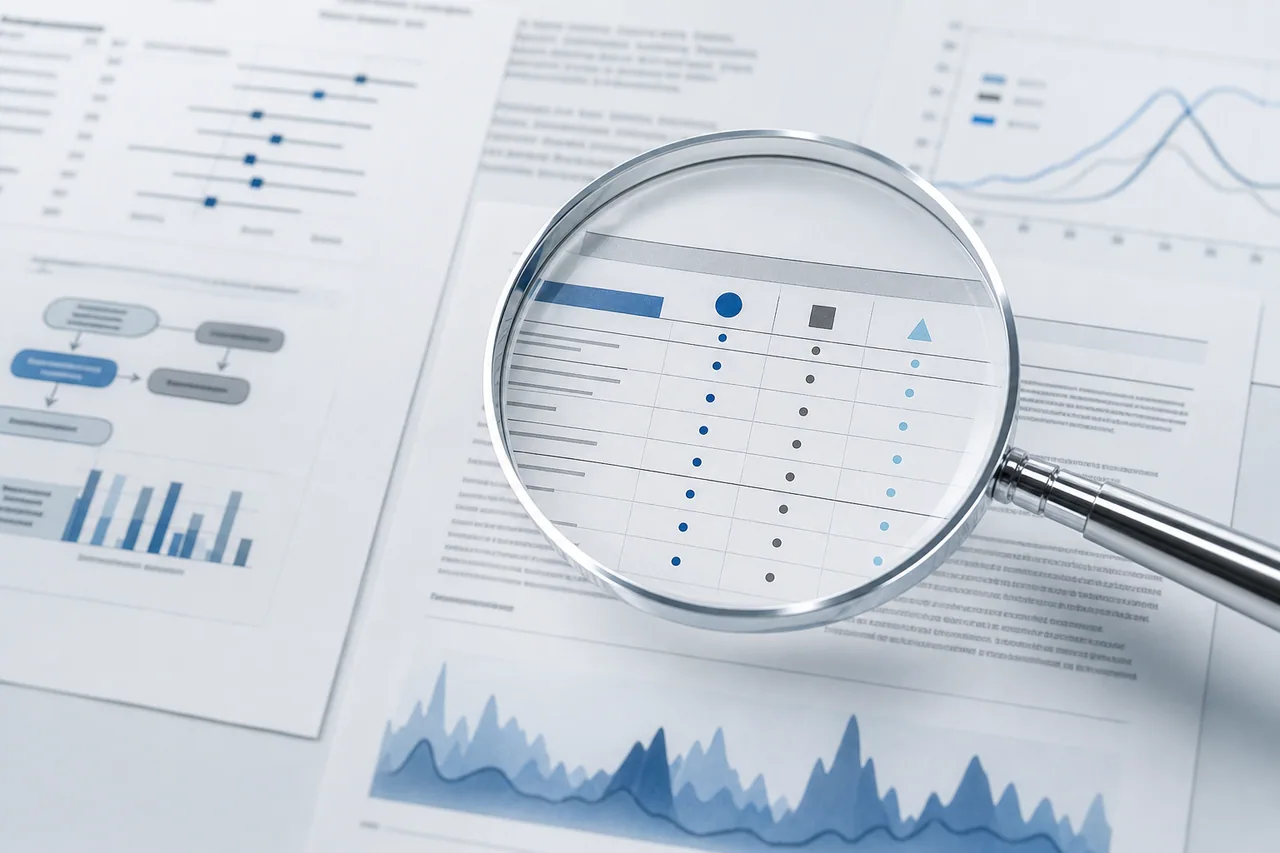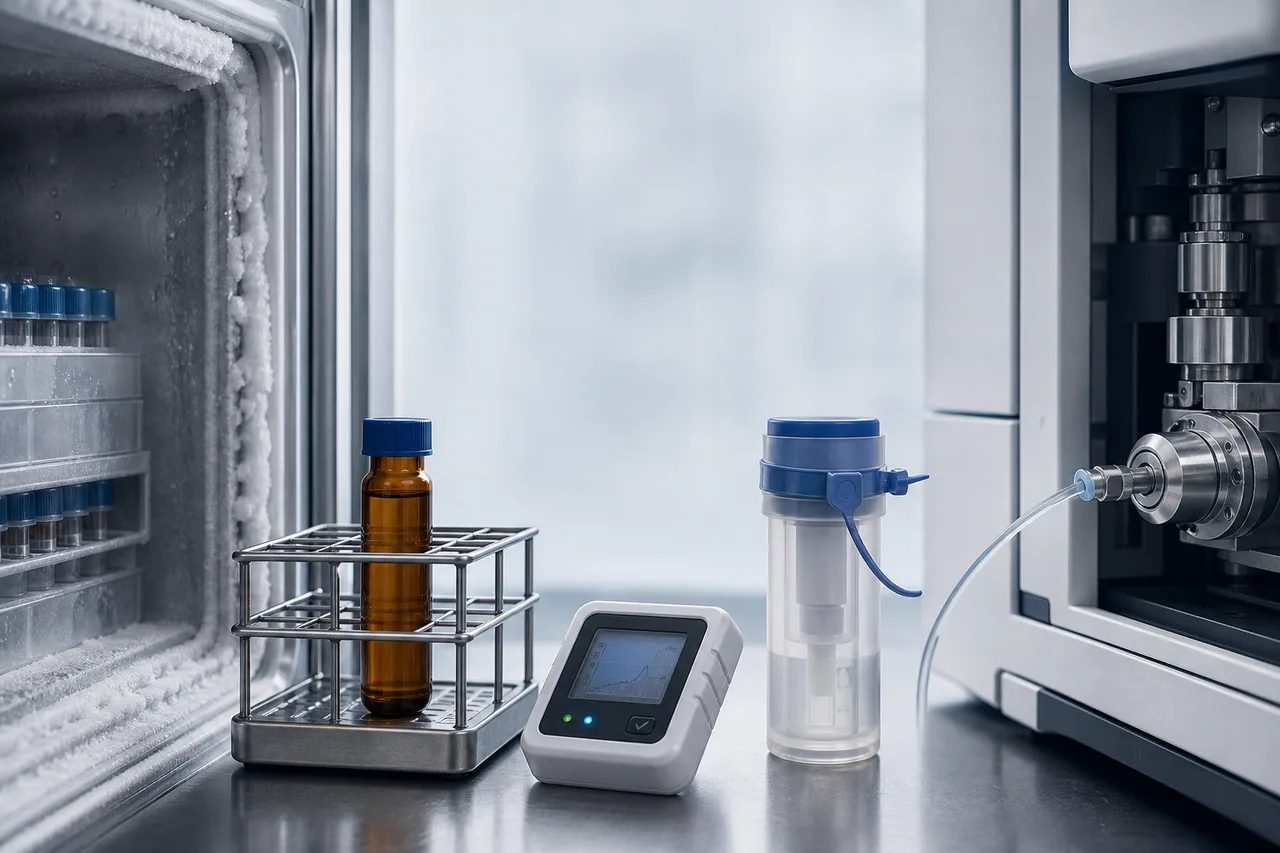

Scientific information remains useful only when its source, methods, population and limitations stay attached to the reported result.
Begin with a defined question and measurement plan
Wearables can collect repeated measures such as activity, heart rate and sleep-related signals outside a traditional research site. Those data become interpretable only when the protocol defines what will be measured, when it will be measured and which endpoint the study is designed to evaluate.
Establish the observation window, baseline period and analysis rules before reviewing the result. A proprietary readiness or recovery score is not interchangeable with a clinical endpoint, and a change in a consumer dashboard does not by itself establish a biological effect.
Evidence should become more specific as a claim becomes more consequential.
Keep device performance and data quality visible
Document the device and software version, measurement schedule, adherence, calibration or validation evidence, time-zone handling and any changes made during the study. The technology should be fit for the specific purpose and population rather than assumed accurate for every use.
Predefine how missing, duplicated or implausible values will be handled. Preserve the original record, relevant metadata and an audit trail so that exclusions and transformations can be reviewed rather than silently normalized.
- Link to the original source.
- Name the study design and population.
- Report the observed endpoint factually.
- Disclose important limitations.
- Never convert trial reporting into a product recommendation.
A continuous data stream is not a causal conclusion
Wearable measures can be affected by motion, fit, charging, firmware, proprietary algorithms, environment and participant behaviour. Associations between a product exposure and a wearable trend can also reflect confounding, regression to the mean or ordinary day-to-day variation.
This guide describes research design and data-integrity principles. It is not a medical-monitoring protocol, a dosing framework or a method for evaluating personal product response. Safety decisions require qualified clinical oversight and validated measures appropriate to the study.
Primary references
These sources were checked against the linked publisher, regulator or literature-index record on 31 July 2026.
- U.S. FDA. Digital Health Technologies for Remote Data Acquisition in Clinical Investigations. Final guidance, December 2023.
- Health Canada. Draft guidance on decentralized clinical trials, including validated digital health technologies and wearable sensors. Interim draft guidance, 2025.