Research compound · Vial
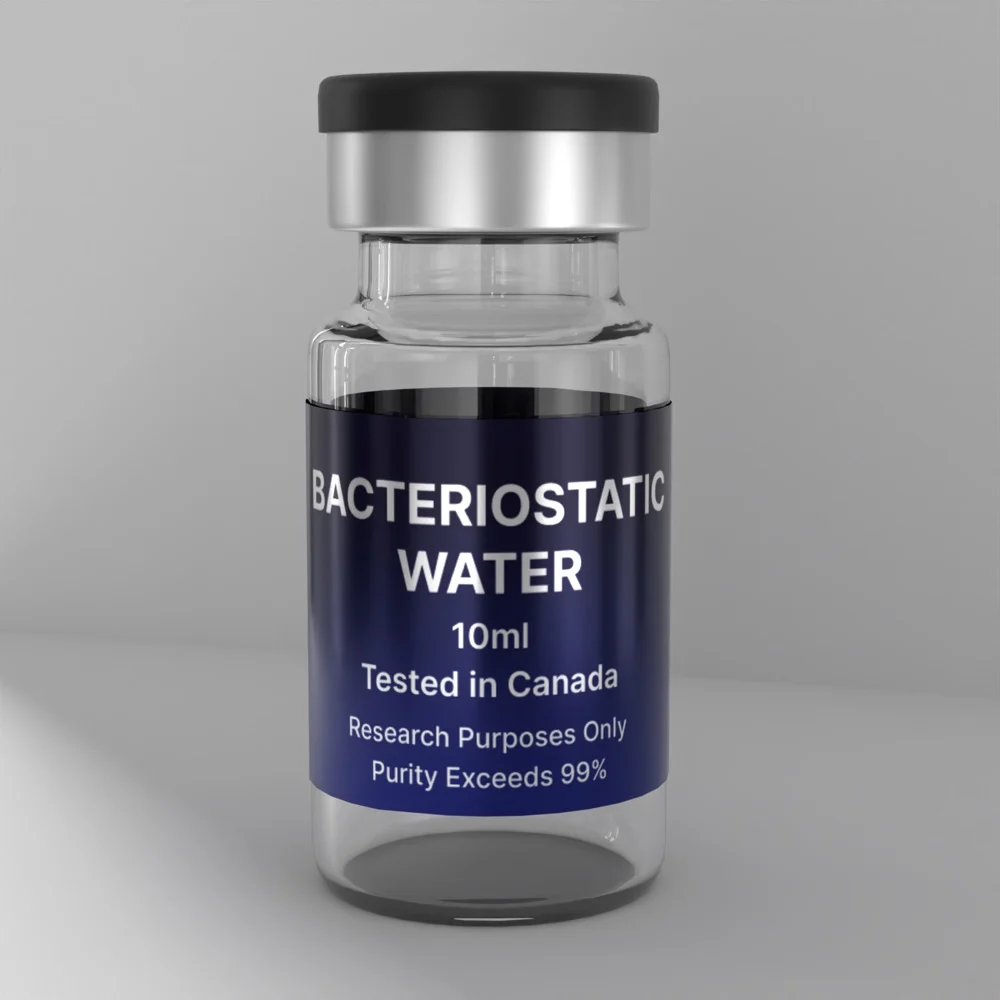
Bacteriostatic Water
From CA$33ml10ml30ml
Sterile water containing 0.9% benzyl alcohol, used in the laboratory to reconstitute lyophilized research materials.

 EternaGen / Research use only
Research compound · Research use only
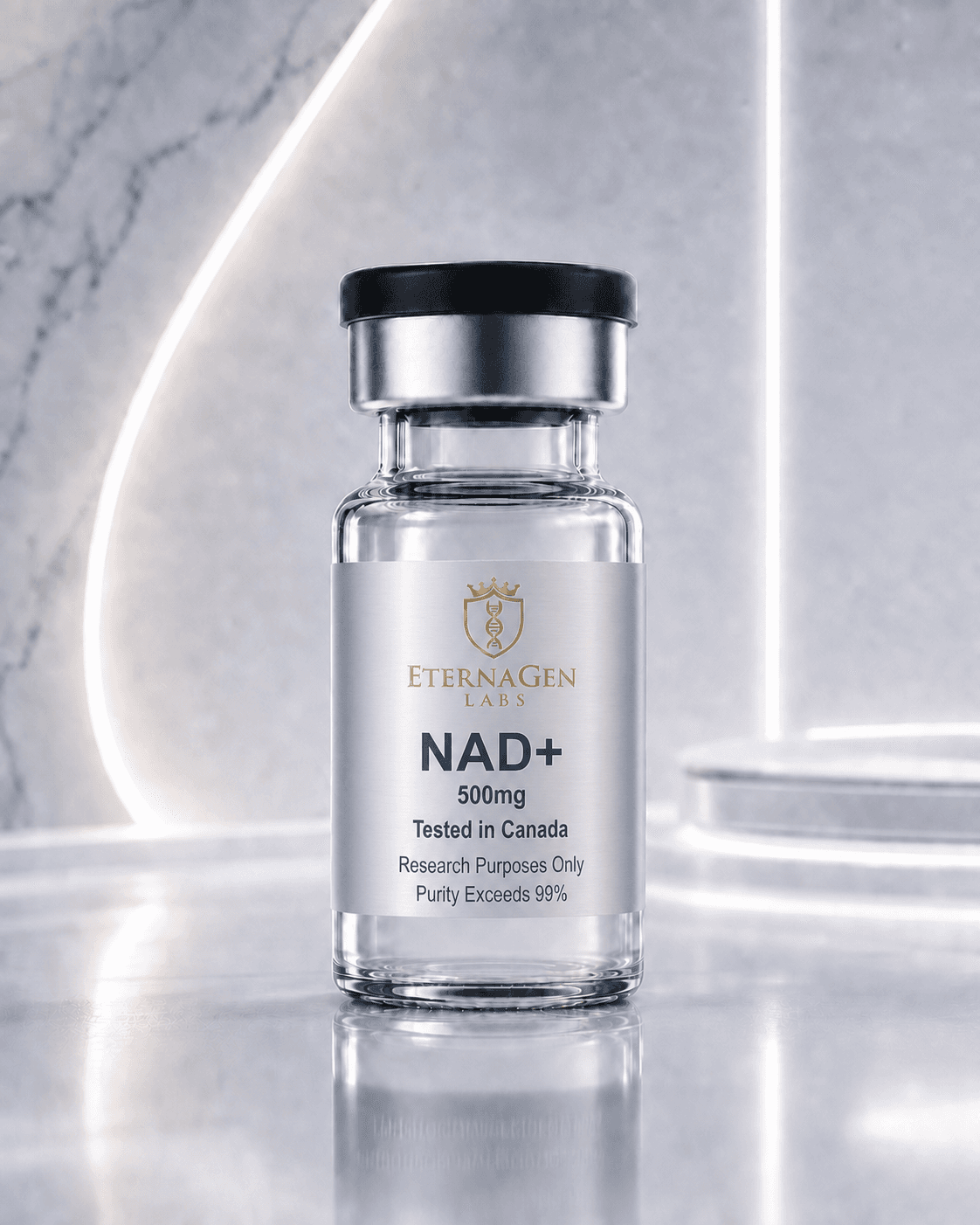
A coenzyme every cell uses to transfer energy and support core metabolic reactions.
Available to approved purchasers
Can’t find the right record?Send support the product name or batch code.
Contact supportProduct information
A coenzyme every cell uses to transfer energy and support core metabolic reactions.
NAD+ is essential to normal cell biology, but that does not automatically prove that delivering more NAD+ creates broad wellness or anti-aging effects. Direct-infusion research is still limited and much smaller than the surrounding marketing suggests.
Nicotinamide adenine dinucleotide (NAD+) is an essential cellular coenzyme involved in redox reactions and a substrate for enzymes linked to DNA repair and signalling. Established cellular importance does not automatically validate a wellness intervention.Specifications
Supplier-origin documentation will be published only after EternaGen verifies the source and record details.
Health Canada lists the named compound or components among unauthorized injectable drugs identified in the Canadian market. A research-use label does not make an unauthorized product suitable or legal for personal use.
Explore the research
Check what was studied, what researchers observed, and the limitation attached to each finding.
NAD+/NADH couples are central to metabolic reactions across cells and tissues.
Evidence so far: Established biochemistryA small pilot traced plasma and urinary metabolites during a six-hour infusion but did not test clinical efficacy.
Evidence so far: Very limited human pharmacokineticsA 2026 multi-cohort analysis found whole-blood NAD+ was stable with age and across lifestyle interventions, challenging a common assumption.
Evidence so far: Human biomarker evidenceProposed mechanism
NAD+ cycles between oxidized and reduced forms during energy metabolism. Cells also consume NAD+ through enzymes such as sirtuins, PARPs and CD38. Route and precursor choice materially affect absorption and metabolism.
Evidence gaps
Primary sources
Related products
Research compound · Vial
Sterile water containing 0.9% benzyl alcohol, used in the laboratory to reconstitute lyophilized research materials.
Research compound · Vial
Internal CA$1 item used to verify checkout, e-transfer instructions and order emails end to end.
Research compound · Vial
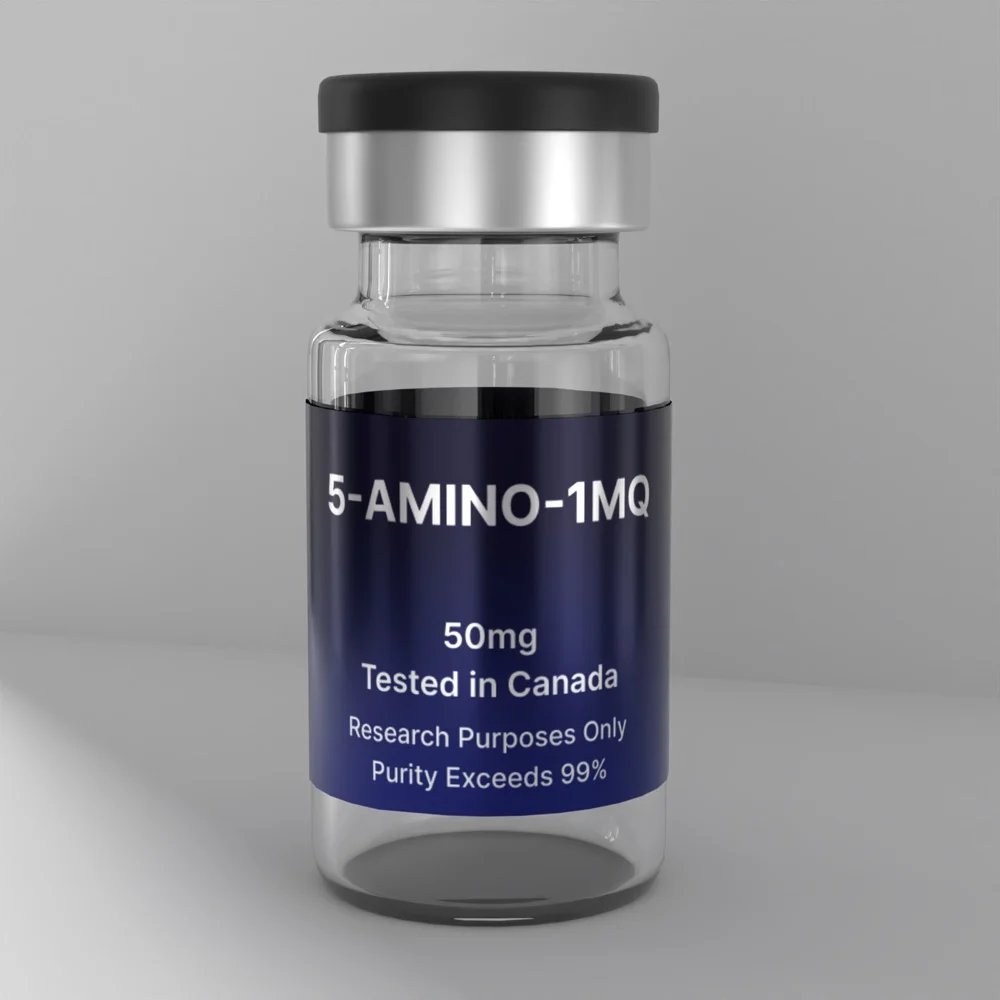
A small-molecule inhibitor of nicotinamide N-methyltransferase (NNMT), studied in cell and animal models of metabolism.